Blog
In the Light of Scripture: Discernment Regarding Halloween Based on Christian Teachings
Published on

Trick‑or‑treat? The whole world knows that phrase, and the year it refers to. October 31 is drawing near, and with it the globally recognized event called Halloween or All Hallows’ Eve. Houses are being decorated, costume shops are selling more than all year, and children can hardly wait to go out, ask for candy in the neighborhood, or attend the school party in costume.
But what seems simple, harmless, or a child’s game carries a meaning that runs contrary to Christian principles. The word “Halloween” is of Celtic origin, derived from the original All Hallows, which means the eve of All Saints’ Day. The local belief held that on this day the dead walked among the living and cursed the harvests. To drive away these evil spirits, people dressed as dark creatures. Over time, this tradition blended with other religious celebrations and has come to today as a popular festivity, full of symbols that represent fear and darkness.
The foundation of God’s Word
On a date marked by darkness and celebrations that portray gloom, we must hold fast to what God’s Word tells us: “For you were once darkness, but now you are light in the Lord. Live as children of light” (Ephesians 5:8‑11). We know that the light is Jesus Himself. “I am the light of the world. Whoever follows me will never walk in darkness, but will have the light of life” (John 8:12, NIV).
When we follow what Scripture says, we learn that we must be guided by divine teachings in everything we do, believe, or think. As women who have chosen to live according to God’s heart, we should be examples in our homes—to our children, spouses, and also to the community in which we are placed—bringing Christ’s vision to other women.
Guide the way to the light
Traditions are built when actions or teachings are repeated and passed down through generations. By choosing to celebrate a date with our family in a different way, we can break old cycles and make room for new paths. Re‑signifying a celebration goes beyond simply ignoring it: it is an act of transformation and the construction of new meaning.
Seeking alternatives that teach walking in the light brings, besides a fun family moment, a space for learning. On the 31st we also celebrate an important date in the evangelical world, Reformation Day; use this day to teach about the history of our faith.
Promote moments of fellowship and learning
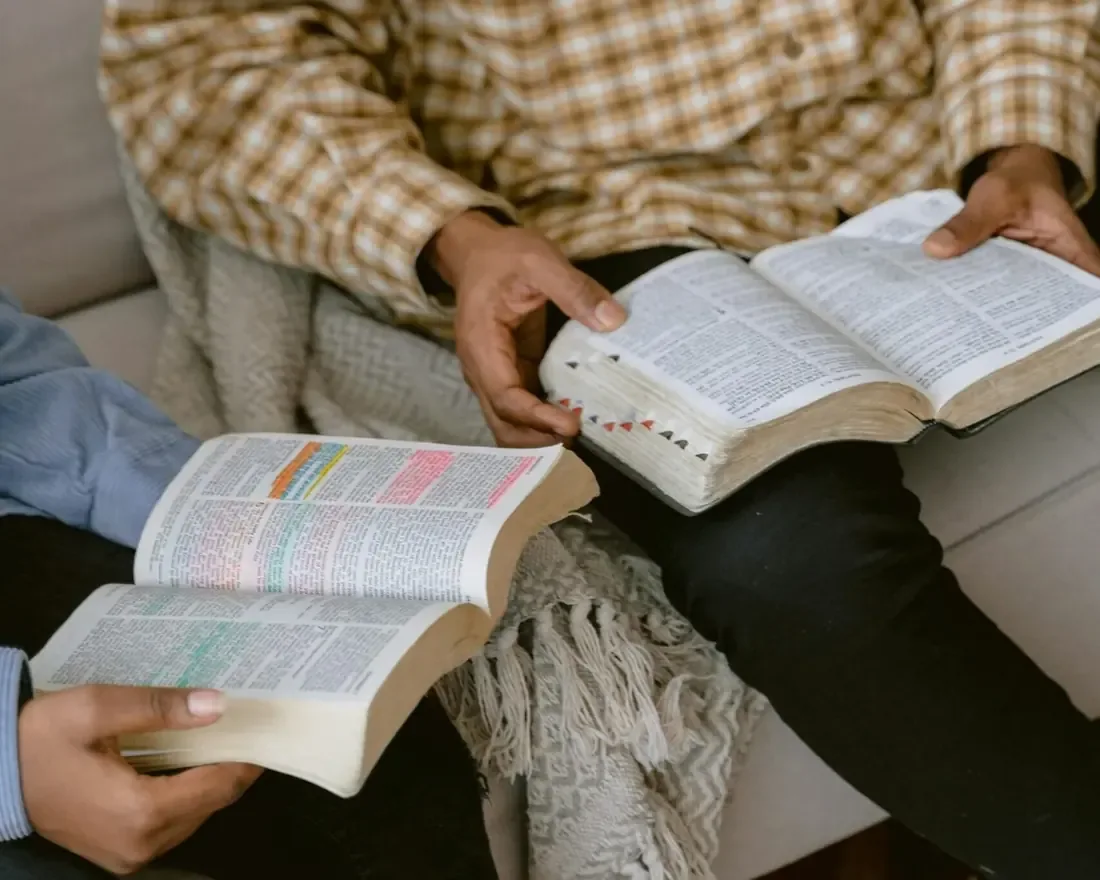
- A family dinner with prayer and reading of the Word;
- A night of worship and gratitude;
- An activity with the children about the light of Jesus;
- A conversation circle about keeping the home a holy, set‑apart environment.
Instead of forbidding our children from celebrating, we need to teach the why, highlight who we are in Christ, what the Bible says, and how to pray. Teach them to think with the mind of Jesus and to choose the light every day. “Start children off on the way they should go, and even when they are old they will not turn from it” (Proverbs 22:6, NIV).
Read also
A Thanksgiving Table That Makes Room
Thanksgiving is more than a meal. It is an invitation to slow down, set the table with intention, and let gratitude turn your home into a place of love and peace.
How to experience the Easter week in your home
Thursday - Gethsemane Meditation in Luke 22:39-46 In Gethsemane, Jesus enters a place of agony. He knows what is before Him. He knows that the path of…
Easter: a time of remembrance
An invitation to contemplate Christ We are approaching another season of contemplation of the salvation we find in Christ Jesus. Throughout history…